
Photo ID 154958055 © Fizkes | Dreamstime.com
take action
The 2010 Commonwealth Carer Recognition Act leaves out the grandparents and kin who raise children full-time, unpaid. A recent Parliamentary Inquiry had the chance to fix this – instead it recommended removing recognition where it already exists in some States and Territories.
Step 1: Find your Federal MP here
Step 2: Write to your MP using either your own words, or download our template.
Kinship Care Australia supports all kinship care families:
We currently have 31 Affiliated Organisations and 171 individual Supporters. Ninety-three grandparent and other kinship carer support groups in all States and Territories are listed on this website.
In 2026 we’re presenting in multiple States & Territories, working with Federal Parliament to improve services, and building our national network. Read more in our May newsletter and contact us anytime with your ideas and questions.
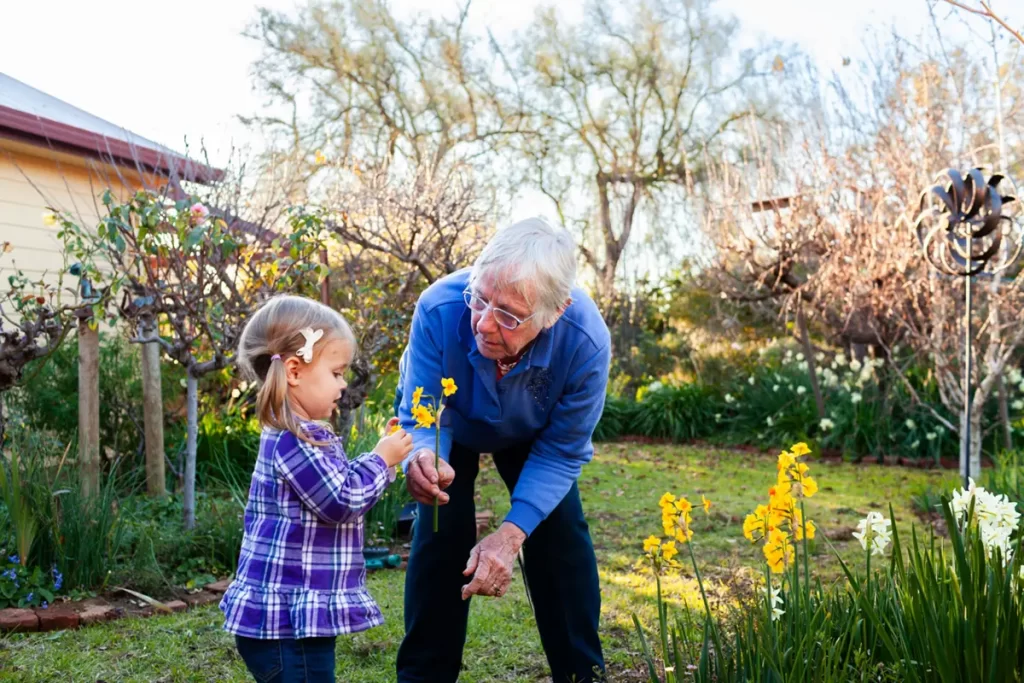
Kinship care is defined as family-based care within the child’s extended family or friendship network, whether formal or informal in nature (United Nations, 2010).
Research shows poverty is the biggest issue for informal kinship care families.
Many carers are pensioners or renters, often in overcrowded housing or public housing.
Some have remortgaged their homes or given up study or work to provide care.
I never thought it as a form of care. I just thought I was going to stay with Nana or Grandad for this long time and that’s it. It didn’t seem weird or strange to me anyway … I still went to the same school, the same sort of things. Still had that same sense of stability, constancy. It was just a different location that you lived, a different person you lived with. (David, 21)
[What do people need to know about young kinship carers?]
That we exist. And that it’s not just grandparents taking care of children. (Mandy, older sister, 30)
She may not be a blood family but who says blood is needed to make a family? They say friends come and go but family is forever. If you’ve had friends who have stuck by you through the worst then personally in my eyes they are family. (Oscar, 19)
We love caring for all the children and see them develop and gain confidence. It is not an easy path at times but it is not dull! Kinship care seems to be the ‘Cinderella’ of care, so I hope your research project might help these people. (Grandmother survey respondent)
Kinship carers, support workers, organisations, support groups and anyone with an interest in the wellbeing of kinship families are all welcome to join for free.